Retro Kettles, Glass and Titanium: Building a Differentiated Range for European Shelves
How European independent retailers can build a display-ready range with retro kettles, glass kettles and titanium cookware, each with its own reason to be stocked.
A specialty kitchen shop in Lyon or Rotterdam has maybe four metres of shelf for electric kettles. The buyer walks in knowing that two of those metres will go to a brand everyone already recognises. The rest has to earn its space.
What that buyer needs is not another stainless kettle in a white box. It is a product the staff can point at and explain in a sentence, and a product a shopper will notice on the way past.
That is the whole argument for a mixed range. One retro kettle as the visual anchor. One glass kettle where the water line does the selling. A small titanium group beside them. Three product stories, one shelf, and a reason for each item to be there.
Retro kettles: looks first, specification second
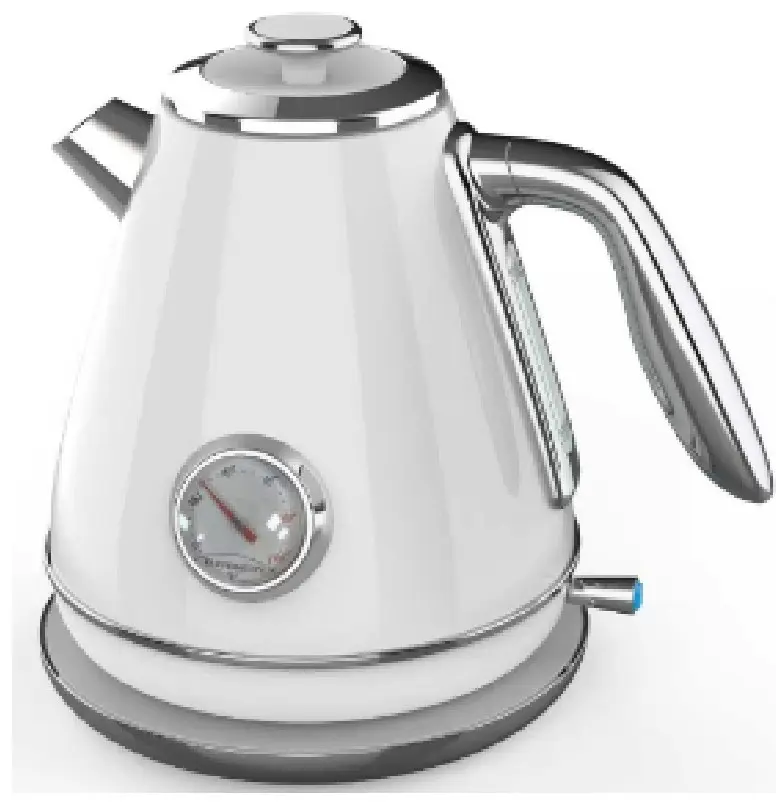
Retro models sell on appearance, and they hold up when the buyer reads the label. SD-260, SD-261 and SD-259 sit at 1.7 to 1.8 litres, 220 to 240 volts, 1850 to 2200 watts, with colour-painted stainless housings and a water temperature thermometer on the body. SD-199, SD-198 and SD-202 carry a water gauge or a window instead, and SD-202 is a 2.0 litre double-wall build.
For an agent, that combination is unusually easy to pitch. Open with the finish and the shape, because that is what the shop sees first. Close with the published numbers, because that is what the shop checks before it signs. Independent buyers tend to trust a supplier who volunteers the specification without being asked.
Colour is where the range earns its shelf space, and it is also where a small shop can get into trouble. Every extra finish is another SKU to track, another box to label and another unit sitting at the back of the stockroom. Offer two finishes on a core model rather than two separate platforms. The shop gets choice, and stock control stays manageable.
Glass kettles: an answer to the show-me question
The SDG group is 1.8 litres, with a glass housing and a stainless heating element. SDG-186D adds digital control with an LED display. SDG-185 comes with a tea filter. SDG-184 can be ordered with a glass tea pot alongside it.
Glass does something a painted steel body cannot. The shopper sees the water, the boil and the level without opening anything. When someone hesitates over a kettle on a shelf, that visible water line often settles the question faster than a paragraph on the box.
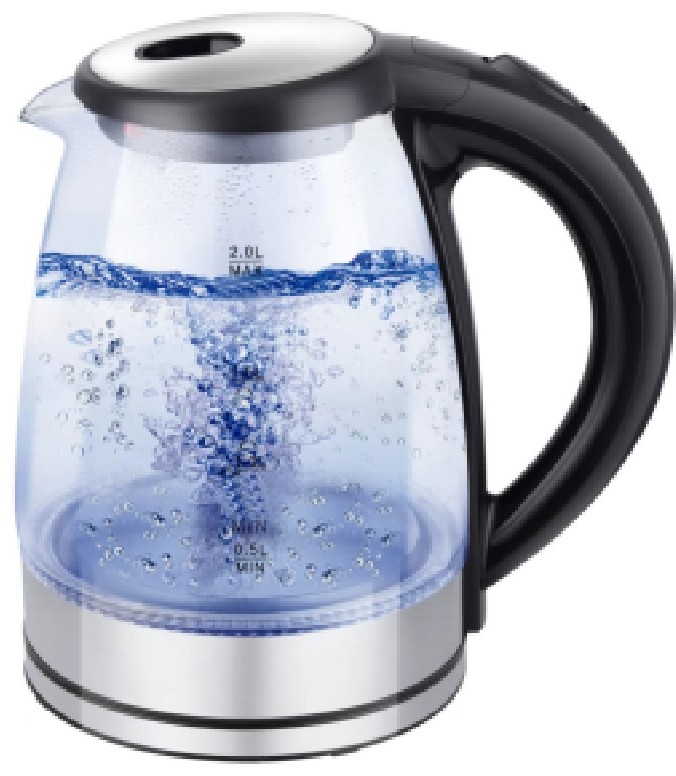
Retail staff like it for a practical reason too. A glass body gives them something to demonstrate. They can fill it, switch it on and let the customer watch. That is a thirty-second conversation, and it is the kind of thing that turns a browser into a buyer.
For the shop, the glass line is the design-led choice on the shelf. The retro line is the colour-and-character choice. They are not competing for the same customer, which is exactly why both can sit side by side.
Titanium cookware: one material, several products
Titanium Cookware is listed in the Export Zone as pure titanium, uncoated, lightweight and corrosion resistant. The line covers pots, kettles, cups and tableware. One material, several products, and no coating claim to defend at the counter.
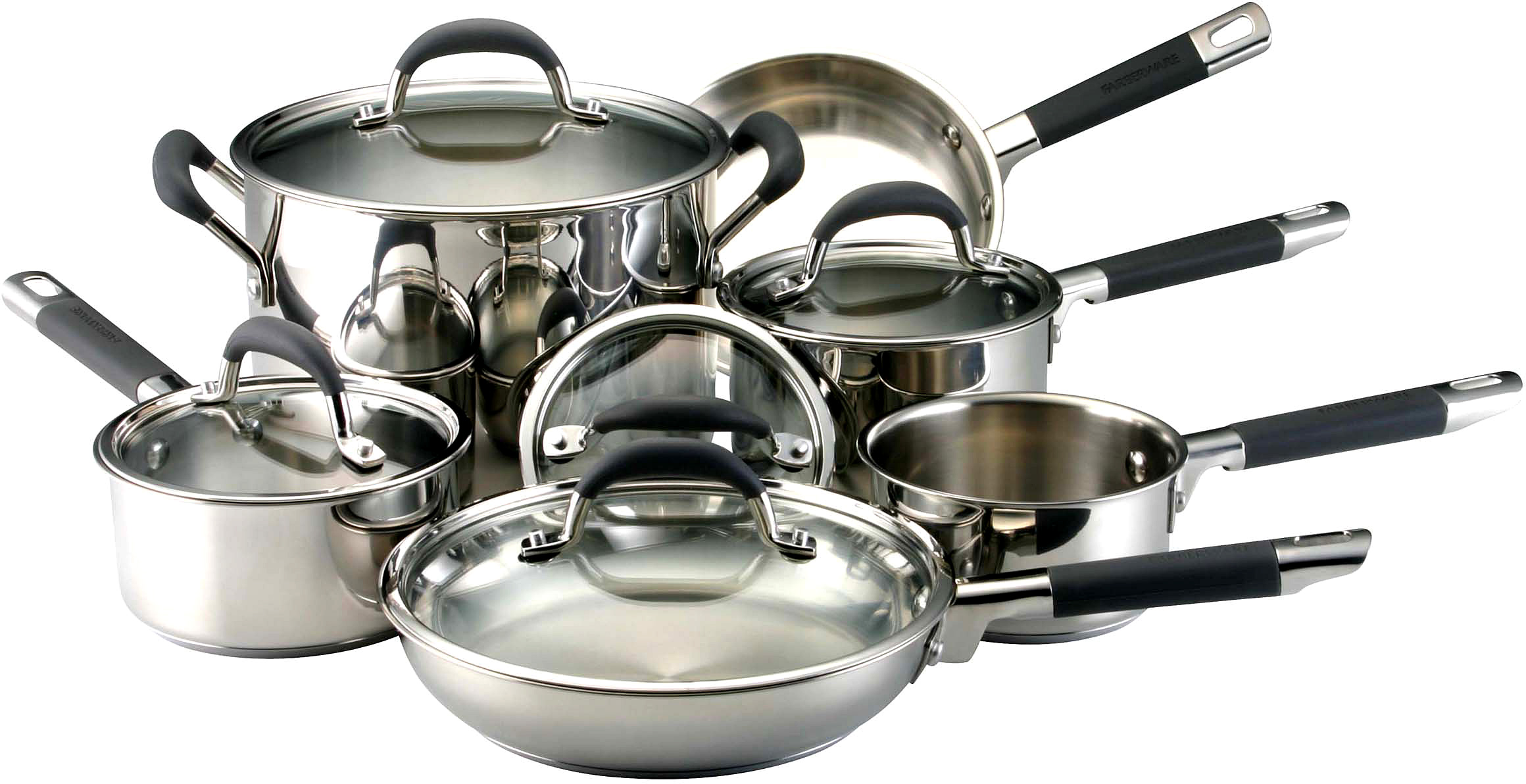
When a shopper asks why titanium costs more, the answer should stay short and factual. Titanium cookware is listed as pure titanium, uncoated, lightweight and corrosion resistant. Stainless steel cookware is listed as 304/316 with a multi-layer bonded base. Present them as two material choices. Do not claim that one replaces the other, because the catalogue does not say that and the shop cannot defend it.
Keep the titanium group small at first. A pot, a cup and a piece of tableware are enough to test whether the material story lands with that shop's customers. It works as an add-on purchase next to the kettles rather than a separate category that needs its own pitch.
What a first container looks like
Loading data is what turns a nice story into an order. Retro kettles are commonly listed at 3,000 pieces per 20-foot container and 7,200 per 40-foot container. Glass kettles are listed at 2,820 and 6,840. With those numbers on the table, an agent can show a retailer exactly how much depth is affordable at each tier.
| Line | Pieces per 20-foot | Pieces per 40-foot |
|---|---|---|
| Retro kettles | 3,000 | 7,200 |
| Glass kettles | 2,820 | 6,840 |
Minimum order terms depend on model and customisation. Ask the export team for the current MOQ by model, and ask whether a mixed container can be arranged before you promise a split to the buyer.
A checklist for the first proposal
Bring one page to the meeting, not a catalogue. The shop has five minutes, and this is what should be on it.
- Anchor the display with one retro model, ideally a 1.7 to 1.8 litre colour-painted unit with a thermometer.
- Add one glass kettle, and choose SDG-185 if tea is part of that shop's customer base.
- Keep the titanium group to a pot, a cup and one tableware piece.
- Quote container quantities from the published figures, not from memory.
- Propose two finishes on a core model rather than two different platforms.
- Run a two-model pilot, one retro and one glass kettle, before widening the range.
Supply side, in one paragraph
Hongfair Group Co., Ltd. (Shenzhen Hongfair Household Products Co., Ltd.) has more than 30 years of cookware manufacturing experience and provides OEM/ODM service for global customers. Its in-house factory runs 2,500-ton presses and Industry 4.0 lines. The company lists ISO9001:2015, BSCI, FDA, LFGB and ISO14000:2015 among its qualifications. The Export Zone covers electric kettles, coffee makers, toasters, blenders, stainless steel, non-stick and titanium cookware, knives, kitchen accessories and drinkware.
Agents can request retail-ready product sheets for the retro, glass and titanium lines, including model numbers, voltages, container quantities and customisation options. The full range is listed at /export.html.
Tel / WhatsApp: +86 181 3885 8168
Email: hongfair@vip.163.com
Address: Room 910, Unit A, Block 2, Zhongliang Xiangyun Plaza, Longcheng Street, Longgang District, Shenzhen, China